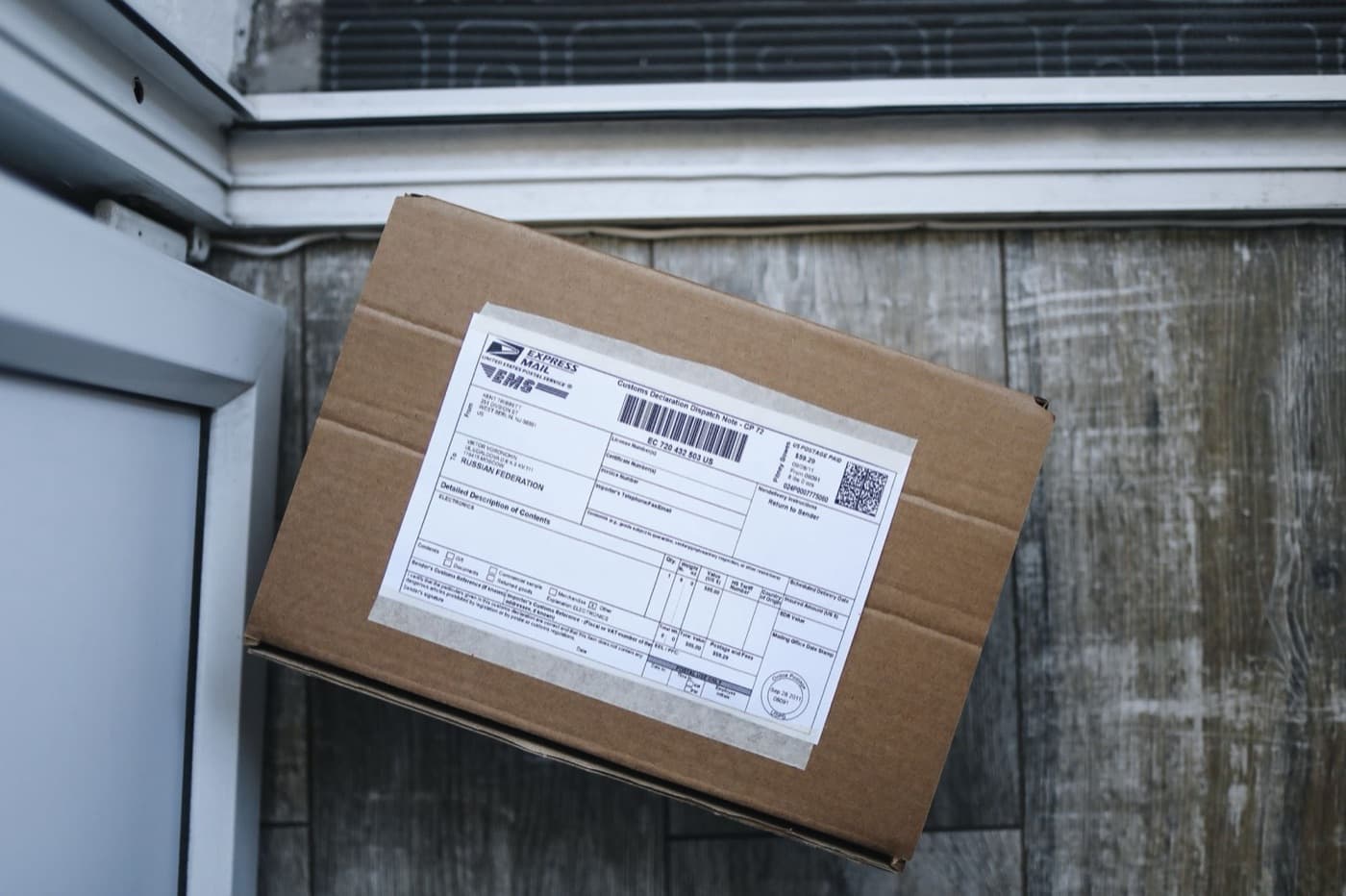
Shipping costs are often the largest variable line item in a cross-border order, and for most exporters they're also the least examined. Rates get quoted once, baked into a spreadsheet, and never revisited. The good news is that most of that cost is controllable — small, specific changes to how you pack, book, and route shipments routinely cut 20-40% off the bill without touching product price or customer experience. Here are seven ways to do it, grouped into four areas worth auditing this quarter.
Fix the fundamentals: consolidation and carrier selection
Two habits do more to lower your average cost per kilogram than anything else, and both are things exporters can start doing this week.
1. Consolidate your freight. Shipping five small parcels separately means paying five sets of minimum charges, fuel surcharges, and documentation fees. Combining them into a single consolidated (LCL/groupage) shipment spreads those fixed costs across more weight, which lowers your effective per-kilogram rate — often by 15-25% on the same total volume. If you ship to the same city or region regularly, batching two or three days' worth of orders into one dispatch is usually worth the short delay.
2. Choose the right carrier per lane. No single carrier is cheapest everywhere. One carrier might dominate India-to-US air freight, while another is sharply cheaper on India-to-UK ocean LCL. Rate cards vary by lane, season, and even by which hub a carrier uses for transshipment. Multi-carrier comparison — done shipment by shipment rather than locking into one partner for everything — is where the biggest single savings usually hide, sometimes 15-30% between the cheapest and most expensive reliable option on the same route.

Get packaging and service level right
Once the routing basics are sorted, the next layer of savings comes from how you package and how urgently you ship.
3. Mind volumetric (dimensional) weight. Carriers bill on whichever is greater: actual weight or volumetric weight. The standard air freight formula is:
(Length × Width × Height in cm) ÷ 5000 = volumetric weight in kgA box measuring 40 × 30 × 30 cm has a volumetric weight of 7.2 kg — so if the actual contents weigh only 4 kg, you're still billed for 7.2 kg. Oversized boxes, excess padding, and non-standard shapes inflate this number needlessly. Right-sizing packaging to fit the product snugly, rather than reusing whatever box is on hand, routinely saves 10-20% on freight billed by volume.

4. Match service level to actual urgency. Express is priced for speed, not distance, and it's easy to default to it out of habit even when a shipment isn't time-critical. Switching non-urgent orders from express to economy or standard service on the same lane typically cuts cost by 30-50% while adding only a few extra transit days. A simple rule: reserve express for genuinely time-sensitive shipments (replacement parts, event-linked orders, premium customers who've paid for speed) and default everything else to economy.
Negotiate terms, not just rates
5. Leverage volume for better pricing and correct Incoterms. Carriers and freight forwarders quietly offer better rates to shippers who commit to predictable monthly volume, even modest volume — the discount curve isn't just for enterprise accounts. Ask your forwarder directly what tier you'd need to hit for the next pricing bracket; it's often closer than expected. Equally important is getting Incoterms right. Shipping DDU (Delivered Duty Unpaid) when your buyer expects DDP (Delivered Duty Paid) means the recipient gets hit with an unexpected customs bill at delivery — which generates complaints, refused parcels, and return freight you end up paying for anyway. Quoting and shipping DDP on retail and e-commerce orders avoids that entirely and protects your margin from surprise chargebacks.
Cut the costs hiding in returns and paperwork
6. Reduce return and reshipment costs at the source. Every returned parcel costs you the outbound freight, the return freight, and often a reshipment — effectively tripling the shipping cost on that single order. Most international returns trace back to two fixable causes: inaccurate size or fit information, and product descriptions that don't match what arrives. Tightening product listings and adding clear dimension charts for apparel and hardware is one of the highest-leverage, lowest-cost fixes available, since it prevents cost rather than optimizing it after the fact.
7. Optimize duty and tax handling with correct HS codes. Misclassified or vague HS (Harmonized System) codes routinely trigger higher duty rates, customs holds, and inspection delays — all of which cost money directly or indirectly through delayed, frustrated customers. Taking the time to classify products under the correct, most specific HS code (rather than a generic catch-all) ensures you're not overpaying duty, and where a free trade agreement applies between India and the destination country, correct classification is what makes your shipment eligible for the lower preferential rate in the first place.
Turning this into a routine
None of these seven tactics require new software or a bigger team — they require a recurring 15-minute review. A practical way to start:
- Pull your last 90 days of shipments and flag any single-parcel orders to the same destination that could have been consolidated.
- Recalculate volumetric weight on your top five SKUs by shipping volume and check packaging against it.
- Audit which orders went express by default rather than by requirement.
- Confirm your Incoterms match what's advertised at checkout.
- Review your top 10 return reasons for the last quarter.
- Spot-check HS codes on your highest-volume product categories against the official tariff schedule.
Run that checklist quarterly and the savings compound — most exporters who work through it systematically find 20-40% in controllable cost within the first cycle, without changing carriers, products, or customers. If you'd rather skip the spreadsheet, a good freight partner will run this audit with you and quote against it directly.