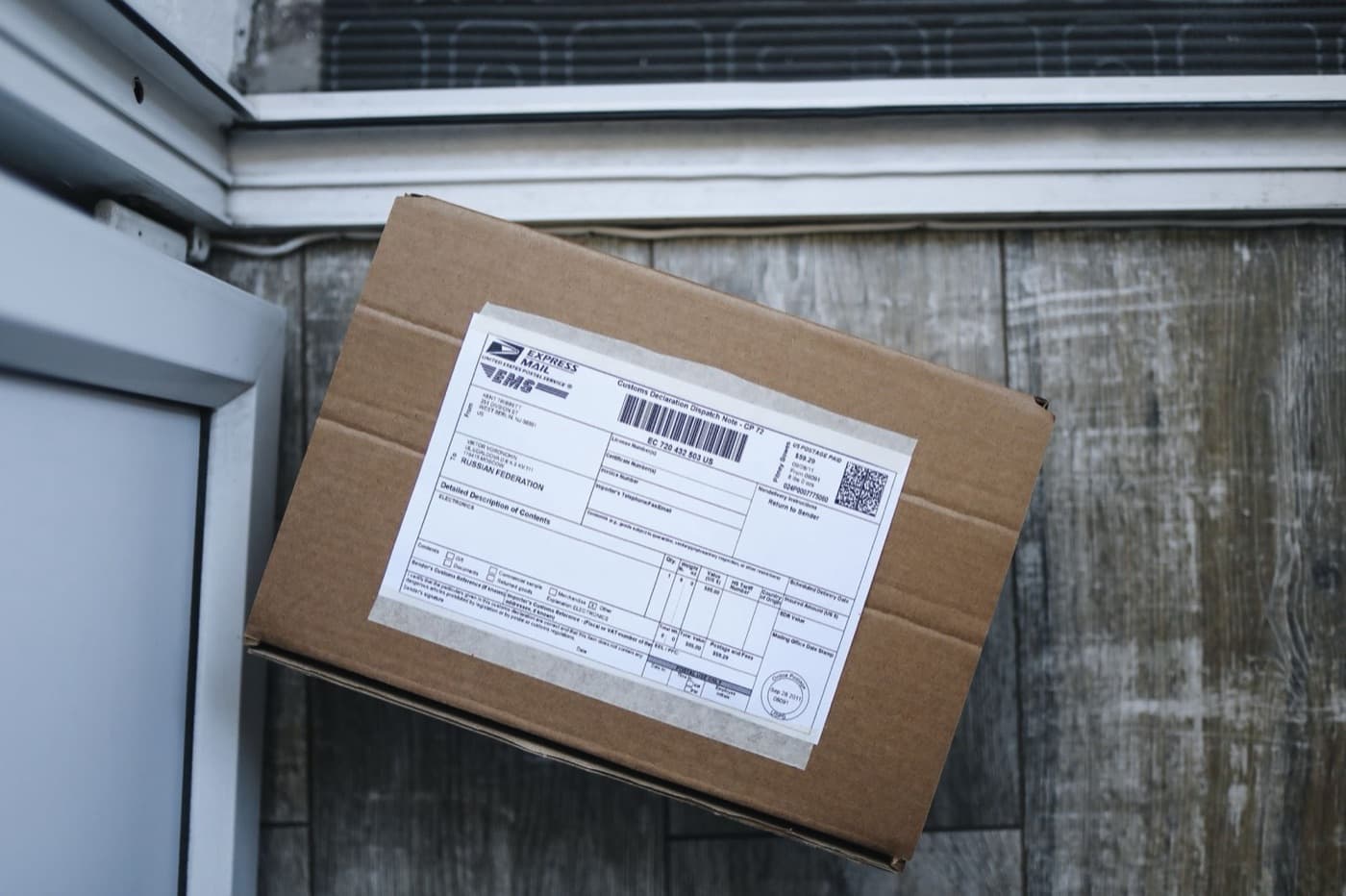
Every Indian D2C brand hits the same wall eventually: orders grow faster than one person can pick, pack, and label them. The fix isn't hiring more hands in a garage — it's getting inventory into Amazon FBA or another marketplace's fulfilment network so the platform handles storage, packing, and last-mile delivery. Done right, it's the single biggest unlock for sellers exporting from India to the US, UK, EU, and Middle East. Done wrong, it's a fast way to rack up storage fees on stock stuck in customs. Here's what actually matters.
What FBA and marketplace fulfilment really mean for cross-border sellers
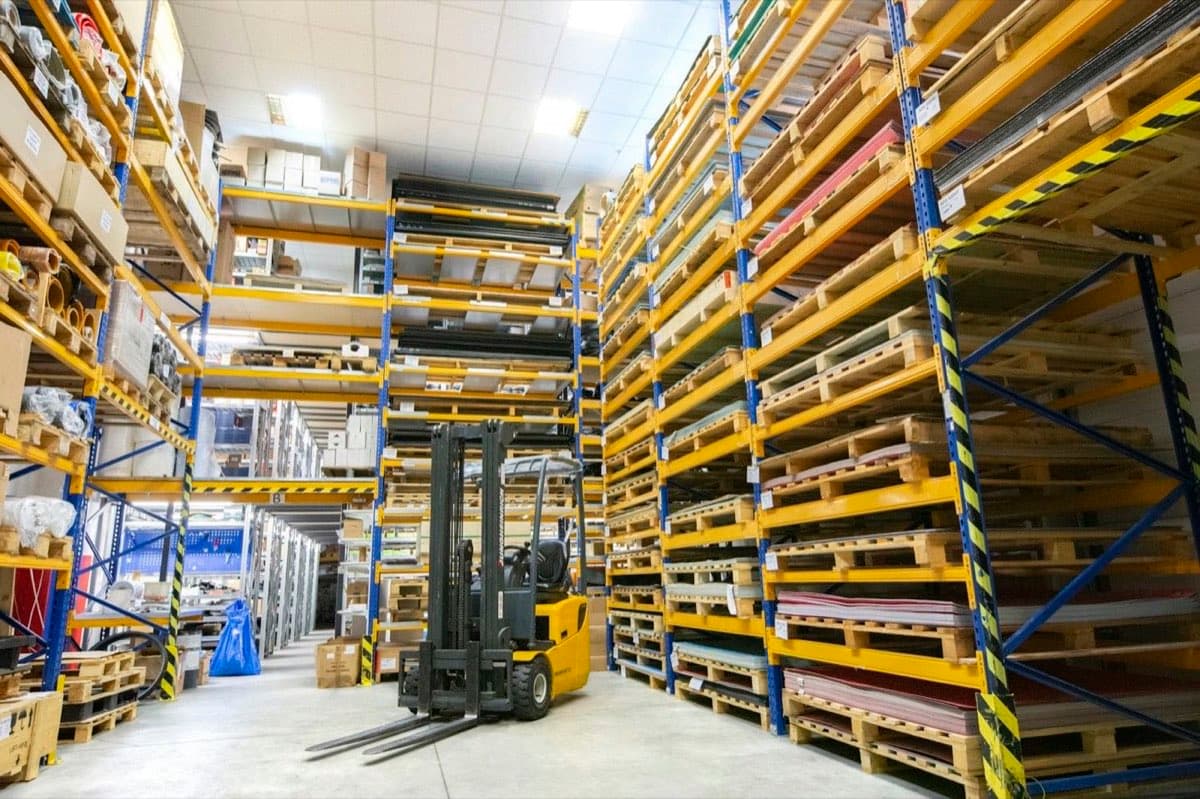
Fulfilment by Amazon (FBA), and the equivalent programs on eBay and via Shopify's fulfilment partners, work on a simple premise: you ship inventory in bulk to a center near your buyers, and the marketplace takes over from there — storage, pick-pack, shipping, returns, customer service. For an Indian exporter, that means the slow, expensive leg of the journey (an ocean crossing per order) happens once, in bulk, instead of thousands of times individually.
The commercial upside is real. Prime-eligible listings on Amazon typically see a 2-3x conversion lift over seller-fulfilled listings at the same price and review count, simply because buyers trust the badge and delivery promise. Faster delivery also feeds ranking algorithms directly — Amazon's A9 and eBay's Best Match both weight fulfilment speed and reliability, so sellers switching to FBA or a managed network often see better organic placement within weeks.
The tradeoff: you lose granular control over packaging and timing once stock lands, and you're now managing a cross-border bulk shipment instead of a parcel — different customs rules, and a much higher cost of getting the paperwork wrong.
Preparing inventory for FBA
Fulfilment centers are automated at scale and unforgiving about deviations from spec. Most rejected or delayed FBA shipments trace back to prep mistakes made before the cargo leaves India.
Labeling, packaging, and pallets
Every unit needs an FNSKU (Amazon's internal barcode) or the marketplace's equivalent scannable label, placed so it doesn't cover the manufacturer's barcode — a scanner reading two barcodes on one item gets the carton flagged for manual inspection, adding 5-10 days to intake. Cartons must meet weight limits (typically 15-25 kg), carry printed labels on at least two sides, and avoid restricted loose-fill like packing peanuts. Past roughly 40-50 cartons per batch, palletizing is worthwhile — use the destination country's standard pallet size, stretch-wrap it, and stay under the receiving warehouse's published height and weight limits, which vary by center.
Using a prep center
Many growing sellers route inventory through a third-party prep center near the destination network rather than getting every spec right from a factory floor in Tirupur or Surat. A prep center receives the bulk shipment, applies FNSKU labels, repacks non-compliant cartons, and forwards compliant units on — worth the added cost early, since one mislabeled pallet can sit in limbo for weeks.
Shipping bulk inventory from India to overseas fulfilment centers
This is where sellers underestimate the difference between shipping a retail parcel and a B2B bulk consignment. A single FBA shipment isn't a parcel with a commercial invoice stapled to it — it's a freight shipment needing proper export documentation, an accurate HS code, and often a customs broker on the receiving end.
Freight consolidation is the biggest lever for cost control. Shipping ten separate cartons via air courier can cost 2-3x more per kilo than consolidating them into one palletized air or sea shipment. Sellers who batch FBA replenishment into monthly or fortnightly consolidated shipments, rather than shipping every time stock dips, typically cut per-unit freight cost by 20-30% purely from economies of scale.
Air vs. sea comes down to velocity. Air freight (5-8 days) suits fast-moving SKUs and new launches where being out of stock costs more than the freight premium. Sea freight (25-40 days) is far cheaper per kilogram and suits bulky, low-velocity items once demand is forecastable a month out.
Customs treatment differs from parcel shipping. A B2C parcel usually clears under a simplified de minimis regime; a B2B bulk shipment is a commercial import needing a complete invoice, packing list, and correct HS classification for every SKU — get any of those wrong and the whole pallet, not just one item, gets held.
Marketplace order integrations that remove manual work
Once inventory is live in a fulfilment center, the operational win is automation. Direct integrations between your store and Amazon, eBay, and Shopify sync orders, inventory, and tracking without anyone touching a spreadsheet. A well-set-up integration handles:
- Order and inventory sync — orders from every channel land in one system within minutes, and stock levels update everywhere the moment a unit sells, preventing overselling
- Automated pick-pack-ship — the fulfilment center receives and ships the order without any manual step from the seller
- Tracking and returns routing — tracking numbers flow back to the marketplace and customer automatically, and return requests route to the correct receiving location instead of back to India
For sellers running three or four channels at once, this is the difference between one person managing fulfilment part-time and needing a full logistics team just to keep listings from going out of sync.

Common FBA compliance pitfalls to avoid
The costly mistakes in cross-border FBA are avoidable and repeat across sellers:
- Mislabeled or double-labeled cartons — old and new labels on one carton, or a label covering the barcode, gets pulled for manual relabeling at the seller's cost and delay.
- Wrong or vague HS codes — a generic code instead of the correct classification per SKU is the single most common cause of customs holds on bulk shipments; a hold can add a week or more.
- ASIN/FNSKU mismatches — wrong ASIN, or mixed SKUs in one case pack without case-pack labeling, shows up as "missing" inventory in the seller dashboard.
- Ignoring dimension and weight thresholds — a carton a kilogram over the limit gets rejected at intake rather than simply adjusted.
- Underestimating peak-season lead time — shipments booked without buffer before Diwali, Black Friday, or Prime Day routinely miss the fulfilment center's peak-readiness cutoff.
A pre-shipment checklist against each of these, run before cargo leaves India, catches most issues before they become a customs delay.
Measuring the ROI of marketplace fulfilment
The case for FBA and managed fulfilment isn't just "it's easier" — it shows up in the numbers within a quarter or two of switching:
- Lower last-mile cost per order — bulk freight plus local last-mile delivery is consistently cheaper per unit than shipping each order internationally as its own parcel.
- Better ranking and Buy Box eligibility — faster, reliable delivery is a ranking signal on every major marketplace, and fast-shipping badges materially improve conversion.
- Reduced returns and complaints — local fulfilment means shorter delivery windows and fewer damaged-in-transit claims than parcels shipped individually across borders.
- Time reclaimed for growth work — sellers who move fulfilment off their own desk routinely free up 15-20 hours a week for sourcing, marketing, and new listings instead of packing tape.
The practical takeaway
Scaling exports through FBA and marketplace fulfilment is a sequence of smaller decisions done correctly: prep inventory to spec, consolidate freight instead of shipping piecemeal, get the customs paperwork right the first time, and let integrations handle order flow so your team isn't the bottleneck. Sellers who treat the first bulk shipment as a dry run — checking labels, HS codes, and carton specs against the fulfilment center's published requirements before committing a full container or pallet load — save themselves the most expensive lesson in cross-border e-commerce: a shipment held at customs while Diwali or Black Friday sales happen with no stock to sell.