Customs clearance is where most first-time shipments get delayed — not because the rules are unreasonable, but because nobody explained them clearly the first time. If you're exporting from India for the first time, the good news is that clearance is almost entirely predictable: get the paperwork right, declare accurately, and 24-72 hours after your shipment lands, it's usually released. Here's what actually determines whether that happens.
The four documents every shipment needs
Every consignment leaving India, no matter how small, is built on the same four documents. Get these right and you've solved most of the problem before it starts.
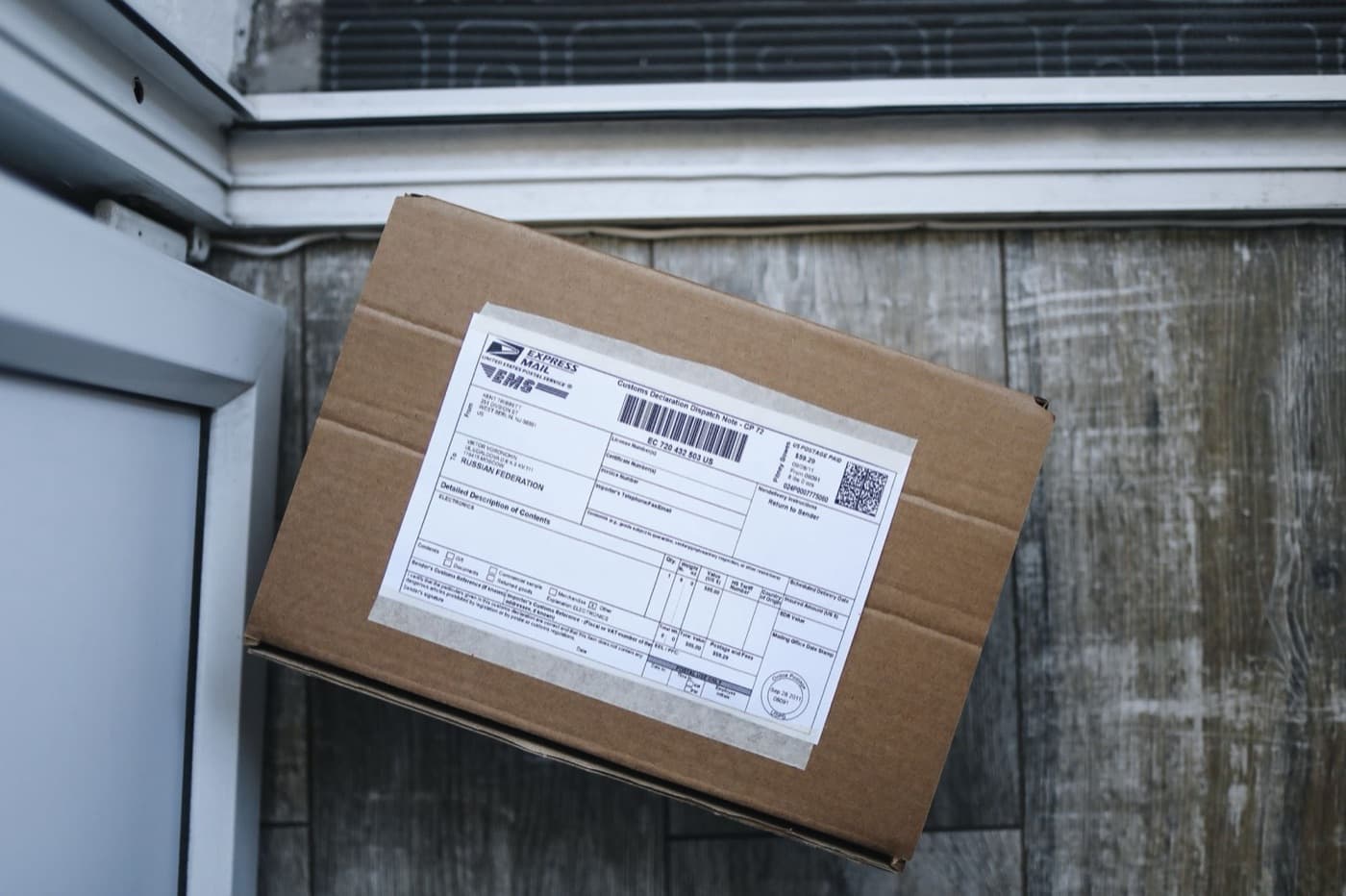
- Commercial invoice — states the seller, buyer, product description, quantity, unit price, and total value in the agreed currency. This is the document customs uses to verify declared value against duty owed, so it must match the packing list and shipping label exactly.
- Packing list — itemizes what's in each box or pallet: weight, dimensions, and contents per package. Customs officers use this to physically match what they open against what was declared.
- HS code (Harmonized System code) — a standardized 8-10 digit product classification code (6 digits are internationally standard, the remaining digits are country-specific) that determines the duty rate and whether the item needs a permit. Every product needs one; guessing is the single biggest cause of delays.
- Certificate of origin — confirms where the goods were manufactured, which matters for preferential duty rates under trade agreements India has with certain countries and blocs.
Missing any one of these doesn't necessarily stop a shipment, but it almost always means a query from the destination customs office — and every query adds a day or more to transit time.
How import duties and taxes are actually calculated
Duty isn't calculated on your invoice value alone. Most destination countries use what's called the customs value, which is typically:
Customs value = Product cost + Freight charges + Insurance (CIF basis)
The duty rate is then applied to that customs value, and the rate itself depends entirely on two things: the HS code (which tells customs what category your product falls into) and the destination country (which sets its own tariff schedule). This is why duty rates vary so widely — anywhere from 0% to 40% depending on the product category and destination. Electronics, textiles, and cosmetics tend to sit in the middle of that range in most markets; raw materials and books are often at or near 0%; luxury goods and items competing with protected domestic industries sit at the top.
On top of basic customs duty, many countries add a local sales tax, VAT, or GST calculated on the customs value plus the duty itself — so the total landed cost is usually higher than shippers expect on their first export. Building a rough duty estimate into your pricing before you quote a customer saves an awkward conversation later.
The IEC: your export identity
If you're shipping commercially from India, you need an Import Export Code (IEC) issued by the Directorate General of Foreign Trade (DGFT). Without it, Indian customs won't process an export shipment above courier/personal-effects thresholds, no matter how good your other paperwork is.
A few things worth knowing about the IEC:
- It's a one-time registration — no renewal filing required, though PAN and bank details must stay current.
- It's tied to your PAN, so one business entity holds one IEC regardless of how many product categories it ships.
- Your IEC number typically needs to appear on the commercial invoice and shipping bill for the shipment to clear Indian export customs.
- Freight forwarders and customs brokers will ask for it before they file your shipping bill — have it ready rather than scrambling at pickup time.
Students and individuals shipping personal effects or one-off parcels generally don't need an IEC; it applies to recurring commercial exports.
Why shipments get held at customs
Most holds trace back to one of five avoidable causes:
- Undervaluation — declaring a value lower than the actual transaction price to reduce duty. Customs authorities compare declared values against market benchmarks, and mismatches trigger manual review or seizure.
- Missing or vague HS codes — a generic description like "electronic parts" instead of a specific code invites a customs officer to classify it for you, usually at a less favorable rate.
- Restricted or prohibited items — batteries, certain chemicals, plant/animal products, and branded goods often need extra permits or are outright banned in specific destinations. What's freely shippable to one country can be restricted in another.
- Incomplete KYC — many countries now require the receiver's ID or tax number for shipments above a certain value threshold. A missing PAN-equivalent or tax ID on the receiving end is one of the most common reasons parcels sit un-cleared.
- Invoice-package mismatch — the invoice says one thing, the box contains another (different quantity, different item). Even honest packing errors get treated as red flags.
Clean documentation with consistent numbers across the invoice, packing list, and shipping label resolves clearance in the 24-72 hour range in most lanes. Any one of the five issues above can stretch that to a week or more, plus storage charges at the destination port.

DDP vs. DDU/DAP: who actually pays the duty
This decision affects your customer relationship more than almost anything else in the shipping process.
- DDP (Delivered Duty Paid) — the shipper pays duties and taxes upfront, and the customer receives the parcel with nothing more to pay. This is the smoother experience for the receiver and is now expected for most e-commerce and D2C shipments, since surprise duty bills are the top reason customers abandon or refuse international orders.
- DDU/DAP (Delivered at Place, duties unpaid) — the receiver pays duties and taxes when the parcel arrives, often before it's released for delivery. This shifts cost and friction onto the customer, and unpaid or refused shipments can end up returned to sender at the shipper's expense.
For businesses shipping internationally, DDP costs a little more upfront (since you're pre-paying an estimated duty) but converts better, generates fewer support tickets, and avoids parcels sitting in a bonded warehouse while a customer decides whether to pay up. DDU still has a place for B2B shipments where the receiver has an established import process and prefers to handle their own duty payments.
Your pre-shipment compliance checklist
Before you hand off a shipment, run through this list. It catches the errors that cause the vast majority of holds.
- Commercial invoice value matches the actual transaction price — no undervaluation
- HS code identified and verified for each product line, not just a category guess
- Packing list quantities and weights match what's physically in each box
- Certificate of origin attached if the destination country has a relevant trade agreement
- IEC number included on the invoice and shipping bill for commercial exports
- Item checked against the destination country's restricted/prohibited list
- Receiver's KYC or tax ID collected if the shipment value requires it
- Incoterm decided and communicated — DDP or DDU — so duty responsibility is clear to the customer
- Insurance value declared accurately, since it feeds into the customs value calculation
The takeaway
Customs clearance rewards precision, not paperwork volume. A thin, accurate set of documents — invoice, packing list, correct HS code, origin certificate where relevant — clears faster than a thick file with inconsistencies. The exporters who rarely see delays aren't the ones with the most experience; they're the ones who treat the pre-shipment checklist as non-negotiable on every single consignment, large or small. Get the declared value right, get the HS code right, and decide upfront who's paying duty — the rest of the process runs largely on its own.